Maximising Energy Savings With Solar Packages
Key Points:
- Battery payback periods have dropped significantly – what once took 10–12 years to recoup is now down to 6–8 years for well-optimised homes, driven by rising electricity retail prices making stored solar energy increasingly valuable.
- South Australia’s grid can actually throttle your solar exports – due to the sheer volume of rooftop solar, SA Power Networks can dynamically reduce a home’s export limit to zero during periods of grid instability, meaning a battery isn’t just convenient – it prevents your generated power from going to waste entirely.
- LFP batteries are better suited to Adelaide’s climate than standard lithium-ion – Lithium Iron Phosphate chemistry is more resistant to thermal runaway (overheating) and degrades more slowly in hot conditions, making it the smarter choice for South Australian summers despite being less energy-dense.
- Virtual Power Plants (VPPs) let homeowners earn money from their battery – by enrolling in a VPP, residents can receive upfront equipment discounts, daily grid-support credits or premium feed-in tariffs in exchange for occasionally letting the grid operator tap a small amount of their stored energy during peak shortages.
- You need significantly more solar than most people assume to reliably charge a battery – to dependably fill a standard 10kWh battery through winter, a home needs 3–4kW of excess solar capacity on top of its daytime consumption, meaning most families require a system of at least 6.6kW–10kW.
South Australia is renowned for its abundant sunshine, making it one of the most ideal locations in the world for renewable energy generation. However, with electricity prices remaining a significant concern for many households, simply having panels on your roof is no longer the silver bullet it once was. As feed-in tariffs drop and evening energy rates spike, the focus has shifted from merely generating power to storing it.
Investing in a comprehensive solar and battery package Adelaide is now the gold standard for homeowners looking to take absolute control over their electricity bills. By capturing the sun’s energy during the day and utilising it on demand, you can transform your home into a self-sufficient energy hub.
The Evolution Of Home Energy: Why Storage Is Essential
For years, the standard approach to residential solar was simple: install as many panels as possible, use what you can during the day and export the rest to the grid for a credit. Today, the landscape has changed. Energy retailers have significantly reduced feed-in tariffs, meaning you get paid pennies for the power you export, only to be charged premium rates when you buy power back from the grid in the evening.
The Shift Toward Self-Sufficiency
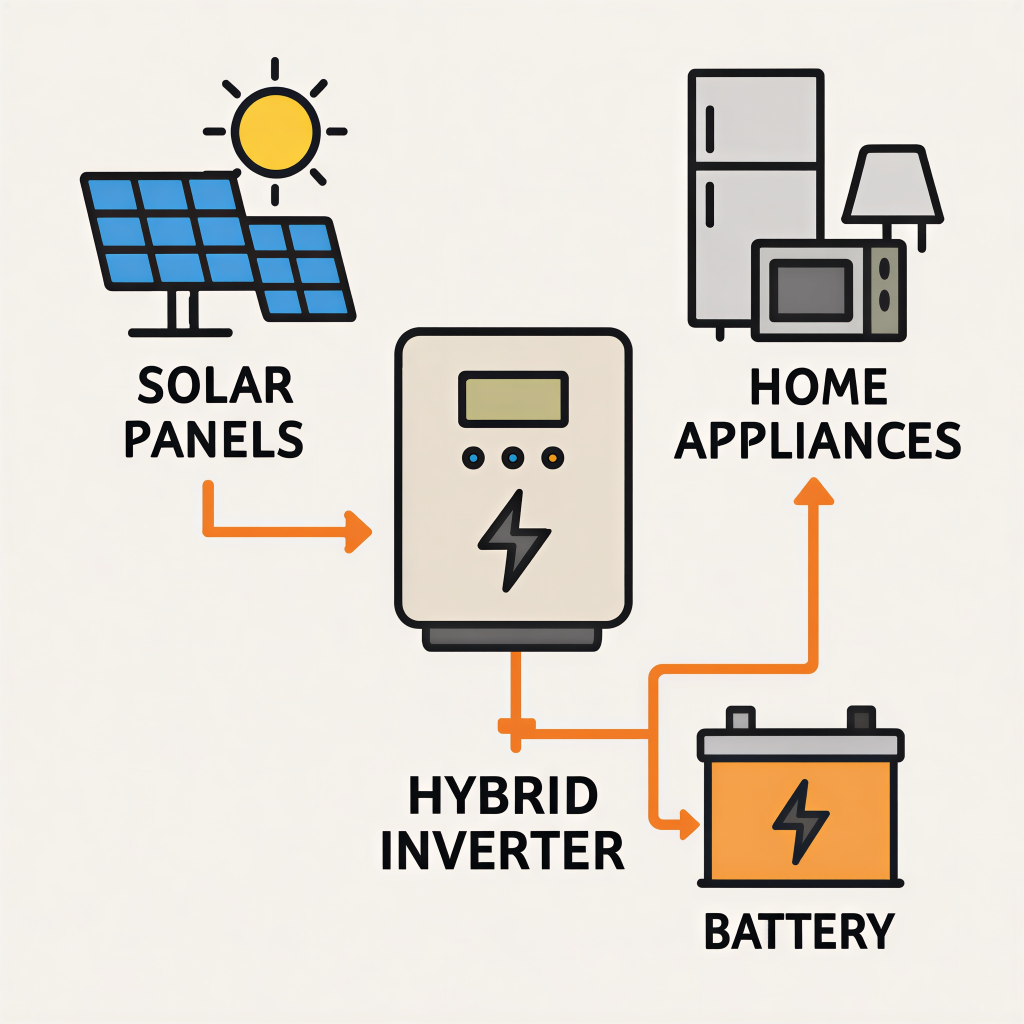
The key to unlocking real financial returns today is maximising self-consumption with energy storage. Instead of giving your excess power away, a battery allows you to keep it. But how does a solar battery work at night? It is beautifully simple: during the day, your solar panels power your home’s immediate needs. Any surplus energy is directed into your battery. Once the sun goes down and your solar panels stop producing, your home automatically switches to drawing power from the stored battery energy, seamlessly keeping your lights, appliances and HVAC systems running without drawing a single watt from the grid.
Designing The Perfect System For Your Home
When you decide to upgrade your energy setup, understanding system design is critical. You can not simply attach a battery to any solar array and expect perfect results; the system must be balanced.
Sizing Your Solar Array
A common question from homeowners is how many solar panels to charge a battery efficiently? The answer depends heavily on your daily household consumption and the capacity of the battery you choose. As a general rule of thumb, to reliably charge a standard 10kWh battery during winter months, you need at least 3kW to 4kW of excess solar capacity above what your home consumes during the day. For most family homes, this means installing a minimum of a 6.6kW to 10kW solar panel system to ensure both the house and the battery are fully supplied.
Choosing Your Inverter Architecture
When looking at a solar and battery package in Adelaide, you will need to decide between a hybrid inverter vs retrofit battery systems.
- Hybrid Inverters: If you are installing a brand-new system, a hybrid inverter is usually the best route. It manages both the solar panels and the battery from a single, highly efficient unit.
- Retrofit (AC-Coupled) Systems: If you already have existing solar panels with a standard string inverter, an AC-coupled retrofit battery (like the Tesla Powerwall 3) is ideal. It comes with its own built-in inverter, allowing it to easily integrate with your current setup without needing to replace your existing equipment.
Selecting The Right Technology For South Australia
South Australia’s climate is unique, featuring scorching summer heatwaves and chilly, overcast winters. Your equipment needs to be robust enough to handle these extremes.
Battery Chemistry Matters
When evaluating the best solar battery for the Adelaide climate, battery chemistry is a major factor. The industry is currently dominated by two main types: lithium iron phosphate vs lithium ion (NMC). While standard lithium-ion batteries are incredibly energy-dense and compact, Lithium Iron Phosphate (LFP) batteries are increasingly preferred for Australian conditions. LFP batteries are inherently more chemically stable, making them less prone to thermal runaway (overheating). They also degrade at a slower rate, making them incredibly durable for the hot Adelaide summers.
Longevity And Warranties
Understanding the lifespan of home energy storage units helps set realistic financial expectations. High-quality batteries from reputable brands typically come with a 10-year warranty, guaranteeing that the battery will retain at least 60% to 70% of its original capacity at the end of that period. In practical terms, a well-maintained lithium battery can easily last 12 to 15 years before needing replacement.
Navigating Grid Rules And Maximising Savings
Living in South Australia means interacting with a highly advanced, sometimes complex, energy grid. Understanding local regulations and incentives is crucial to extracting the most value from your system.
Adapting To Grid Constraints
South Australia has so much rooftop solar that the grid sometimes struggles to handle the sheer volume of power being exported in the middle of the day. To manage this, authorities introduced SA Power Networks’ flexible export limits. Under this rule, new solar installations may have their export limits dynamically reduced (sometimes to zero) during periods of grid instability. Having a battery perfectly bypasses this issue. Instead of your solar production being throttled or wasted when export limits are enforced, your excess energy is simply diverted into your battery for your own later use.
Beating The Peak Rates
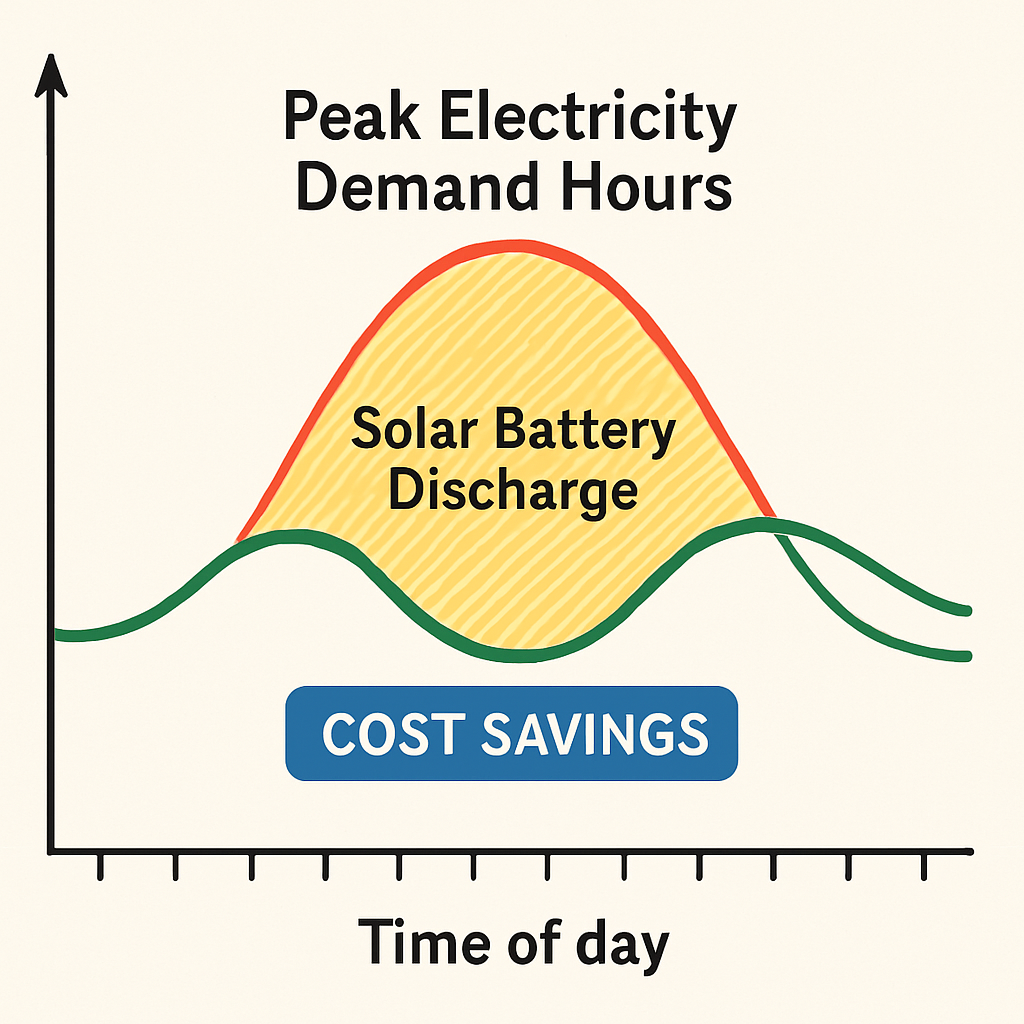
Another major financial advantage is reducing peak electricity demand charges. Many Adelaide households are on time-of-use (TOU) tariffs, where electricity is exceptionally expensive between 3 PM and 9 PM. A well-designed solar & battery system will have plenty of energy stored and available for discharge during these peak hours, ensuring you never pay premium rates to cook dinner, run the air conditioner or do the laundry.
Unlocking VPP Incentives
One of the most exciting developments in the local energy market is the rise of Virtual Power Plants. By enrolling your battery in a VPP, you agree to let a grid operator discharge a small amount of your stored energy to support the grid during critical shortages. The virtual power plant benefits South Australian residents directly through upfront equipment discounts, daily grid-support credits or premium feed-in tariffs. It is an excellent way to monetise your battery beyond your own household savings.
Ensuring Financial Viability
While the technological benefits are clear, the investment must make financial sense. Calculating solar battery payback period requires looking at several variables:
- Upfront Cost: The total price of the package, minus any rebates.
- Daily Savings: The amount of grid electricity you offset nightly (e.g., saving 10kWh per night at $0.40/kWh equals $4.00 per day or $1,460 a year).
- VPP Earnings: Additional credits earned through grid support.
- Avoided Outage Costs: The unquantifiable but significant value of not losing a fridge full of food during a blackout.
Historically, battery payback periods hovered around 10-12 years. However, with skyrocketing electricity retail prices, we are now seeing payback periods drop to between 6 and 8 years for well-optimised homes. Furthermore, exploring government solar incentives in South Australia – including federal Small-scale Technology Certificates (STCs) and specialised state-based financing or VPP rebates can drastically reduce your initial capital outlay.
Beyond Savings: Resilience And Future-Proofing
Financial savings are just one piece of the puzzle. As we transition to a highly electrified future, home batteries offer unmatched utility and protection.
Surviving Grid Outages
Adelaide is no stranger to severe storms that can knock out power lines for hours or even days. One of the most sought-after features of modern systems is blackout protection for residential homes. When the grid goes down, a properly configured battery system automatically islands your home, keeping essential circuits like refrigerators, Wi-Fi routers and lighting powered.
This resilience brings up an interesting debate: off-grid vs grid-tied energy systems. While true off-grid living requires massive, expensive battery banks and backup generators to survive weeks of bad weather, a modern grid-tied system with blackout protection offers the “best of both worlds”. You get the reliability and security of off-grid living during emergencies, coupled with the financial benefits and lower setup costs of remaining connected to the wider network.
Powering The Next Generation Of Transport
Finally, looking to the near future, gasoline vehicles are rapidly being replaced by electric alternatives. Integrating electric vehicle charging with solar is the ultimate goal for the modern eco-conscious homeowner. By sizing your solar and battery system appropriately today, you can capture excess daytime solar to not only run your home at night but also to charge your EV. Driving in the sunshine is no longer a futuristic dream; it is an achievable reality that entirely eliminates your household fuel bill.
Conclusion
The era of merely putting panels on a roof and hoping for a small electricity bill is over. As energy tariffs fluctuate and grid regulations tighten, true energy independence requires a smarter approach.
Investing in a tailored solar and battery package in Adelaide is the most effective strategy to shield yourself from rising costs. By carefully selecting the right equipment, maximising your self-consumption, taking advantage of VPPs and securing your home against blackouts, you are not just buying a piece of technology – you are securing your family’s financial and energetic future. If you are ready to take control of your power, now is the perfect time to explore how a custom-designed energy storage solution can transform your home.